Dale Cottingham
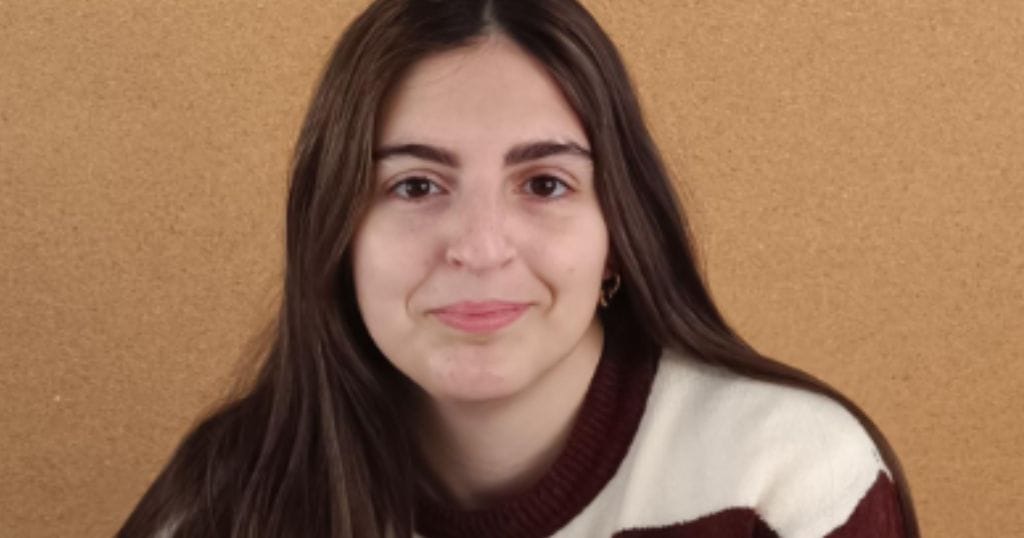
DALE COTTINGHAM. Poeta de ascendencia mixta, Choctaw y blanca. Autor del poemario Midwest Hymns (Kelsay books, 2023). Finalista en el Concurso de Poesía Great Midwest (2021) y ganador del Premio New Millennium (2019) al Poema del Año.
Su trabajo ha sido publicado por numerosas revistas y medios, incluyendo Ploughshares, Asheville Poetry Review y Rain Taxi. También fue nominado al Best of Net 2021. El recorrido poético de Cottingham incluye su participación en el Bread Loaf Writers’ Conference. Actualmente reside en Edmond, Oklahoma.
No One’s Fault
It wasn’t her fault: she fell running
across the open space.
Knee bleeding, she wouldn’t
get picked for the team.
None of us understood, of course:
we had no word for this.
I’ve read that on Earth our breath
is as soughing, that we are not our own
deliverance, which seems right after all.
What she did was unbutton her cotton dress
facing us, unbidden, in her white panties
inventing the strangeness of the other in our eyes.
No es culpa de nadie
No fue su culpa: ella cayó corriendo
a través del espacio abierto.
Con la rodilla sangrando, no la elegirían
para el equipo.
Ninguno de nosotros entendía:
no teníamos palabra para esto.
He leído que en la Tierra nuestra respiración
es como un suspiro, que no somos nuestra propia
salvación, lo cual parece correcto después de todo.
Lo que ella hizo fue desabrocharse el vestido de algodón
frente a nosotros, sin ser invitada y, en pantis blancas,
inventó la extrañeza del otro en nuestros ojos.
In the Kitchen
The sprawling chairs belie my pinched appearance,
conversation stalling in our mouths
we kickstart like a balky appliance.
Memory reminds me I once took pleasure
in your graceful apple paring—
now the cupboard we chose,
paid too much for, sits in a corner
we no longer see, storing sorrow and shame.
We chat without conviction
of taking an Italian vacation,
missing accidental happiness
we found in the kitchen,
when evening sifted through the open window,
and words seemed beside the point—
my breath misting your hair,
the turn of your head as you felt it—
the smile on your upturned face.
En la cocina
Las sillas dispersas contradicen mi figura encogida,
la conversación se represa en nuestras bocas
y arrancamos como un testarudo electrodoméstico.
La memoria me recuerda que una vez disfruté
de tu elegante pelado de manzana:
ahora, el armario que elegimos,
por el que pagamos demasiado, está en una esquina
que ya no vemos, almacenando tristeza y vergüenza.
Charlamos sin convicción
sobre tomar unas vacaciones en Italia.
Hemos perdido la felicidad accidental
que encontrábamos en la cocina,
cuando la tarde se filtraba por la ventana abierta,
y las palabras parecían irrelevantes:
mi aliento empañando tu cabello,
el giro de tu cabeza al sentirlo,
la sonrisa en tu rostro alzado.
Grandfather’s Ground
Do the rains still refuse to fall?
Can you still plow in the way
you taught yourself, but not your boys,
to draw up moisture from the ground?
On land just off the Petite Jean,
the year 1932, the crop
that almost, but did not,
fail.
El terreno del abuelo
¿Siguen las lluvias negándose a caer?
¿Todavía puedes arar como
te enseñaste a ti mismo, pero no a tus muchachos,
para extraer humedad del suelo?
En un terreno cerca del Petite Jean,
el año 1932, cuya cosecha
parecía malograrse,
pero no lo hizo.
Glass of Well Water
When I pour it, the silver stream
twines through abiding air,
sounding like laughter in the glass
I fill half full, or half empty,
so lithe today is my point of view.
I’ve carried water from this well
in a plastic pail to nurse fruit trees
oppressed by summer drought,
to wash my face and neck,
sweat-stained and dirty
from hoeing or digging postholes,
but now I quench a thirst no labor’s earned,
tasting chalk, yet tart as memory,
dredged from underground,
where water’s held in darkness, in silence,
till it fills this glass, and sets
my parched mouth free to speak.
Vaso de agua de pozo
Cuando lo vierto, el chorro plateado
se enrosca a través del aire que perdura,
y suena como risa en el vaso
medio vacío, o lleno hasta la mitad,
tan ágil hoy es mi punto de vista.
He llevado agua de este pozo
en un balde de plástico para cuidar los árboles frutales
oprimidos por la sequía del verano,
para lavarme la cara y el cuello,
sudorosos y sucios
de cavar o hacer agujeros para postes.
Pero ahora apago una sed que ningún trabajo ha ganado;
sabe a tiza, pero tan ácida como una memoria,
rescatada de la oscuridad,
donde el agua se guarda en silencio,
hasta que llena este vaso, y libera
mi boca reseca para volver a hablar.
Blaine County Uplift Nights
As night shades the flat squared land below,
isolate farm lights guide returning
men and women, who wash their hands
and share a meal in worn, familiar clothes.
As work etches their palm lines deeper,
I like to think some are writing poems
at scarred kitchen tables, tired from doing
all that could be done that day, but not
too tired to attempt what may be.
Watching from tonight’s moonless depths,
lit only by starlight exhausted from traveling
the great emptiness out there to no fullness here—
no instructions or divine hand to guide mine,
today’s light already gone, tomorrow’s yet to pass by.
Noches de ascenso del condado de Blaine
Mientras la noche arropa la tierra plana y cuadrada abajo,
las luces aisladas de las granjas guían el regreso
de hombres y mujeres, que lavan sus manos
y comparten comida, usando ropa gastada y familiar.
Mientras el trabajo graba más profundamente las líneas de sus palmas,
me gusta pensar que algunos están escribiendo poemas
en mesas de cocina marcadas, cansados de haber hecho
todo lo que se podía hacer ese día, pero no
tan cansados como para intentar lo que podría ser.
Mirando desde las profundidades sin luna de esta noche,
iluminados solo por la luz de las estrellas, agotadas
por el gran vacío allá afuera, sin hallar plenitud aquí,
sin instrucciones ni mano divina que guíe la mía,
la luz de hoy ya se ha ido, y la de mañana aún no llega.